
Carmelo Bene
Biography
The filmmaking career of Carmelo Bene (1937 - 2002) lasted from 1968 to 1973, six years out of a lengthy time spent in the theater that made Bene one of the most celebrated figures of the Italian avant-garde in the second half of the 20th century.
Bene first made a name for himself with a controversial production of Camus’ Caligula in Rome in 1959. Subsequent productions retained this sense of notoriety, and Bene (like Pasolini) quickly acquired a police record. Bene, however, would come to bemoan the controversy his work created, because it attracted an audience looking for shocks and titillation, while he himself was more concerned with reinventing the vocabulary of the theater: sets, gestures, texts.
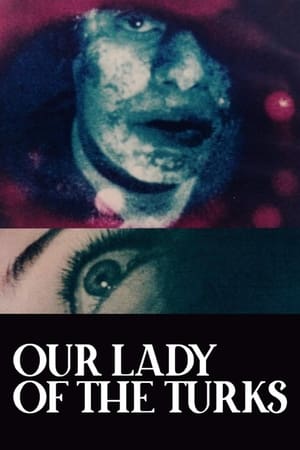
Bene’s turn to cinema expanded that quest to reinvent. His films resist synopsis because, although they are often derived from narrative sources, Bene uses these sources against themselves and as a springboard for his critique of the stultifying traps of representation and interpretation. The films are wildly inventive and visually arresting on several levels: the performance styles of his actors, including eccentric movements, gestures and grimaces; the sets, costumes and makeup; the editing; and the use of the camera, with stable shots regularly punctuated by handheld camera work, extreme close ups and the occasional baroque use of zooms, dollies, cranes, elaborate pans and exaggerated camera angles. They resemble something like the work of Jack Smith crossed with the experimental Pasolini of Teorema and Pigsty.
One constant feature of Bene’s work is its satire of heterosexuality. The two sexes keep trying to communicate with each other, but always fail to do so. Bene’s work constantly deflates masculinist pretenses at mastery: his male characters tend to be hapless and often hysterical, while his female characters are alternately predatory and remote, and unknowable in either case. But this satire is merely the most visible form of Bene’s revolt against convention and communication. Over and over again in the films, everyday actions become hopelessly complicated or endlessly interrupted. His characters often end up staring quizzically offscreen or even into mirrors, as if they were no more sure than we are of the meaning of what they see. Indeed, identity and by extension agency seem to get suspended, along with meaning. What is left is glorious spectacle and enigmas for the eyes and ears: endless music; babbling, stuttering text; excessive and exciting images. – David Pendleton
Gallery
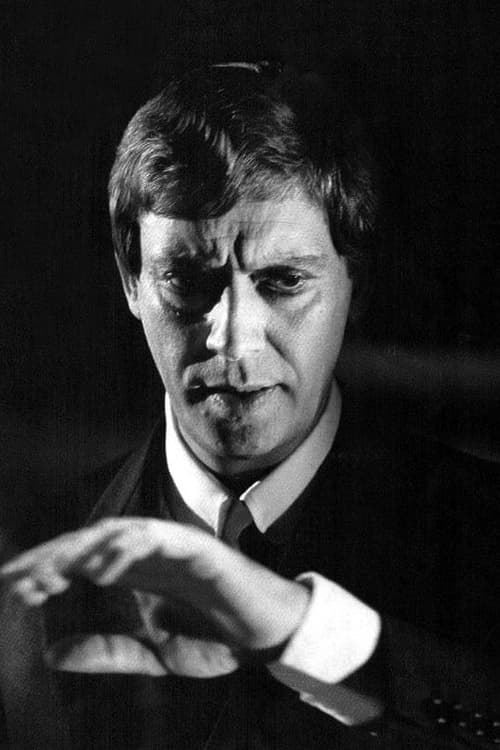
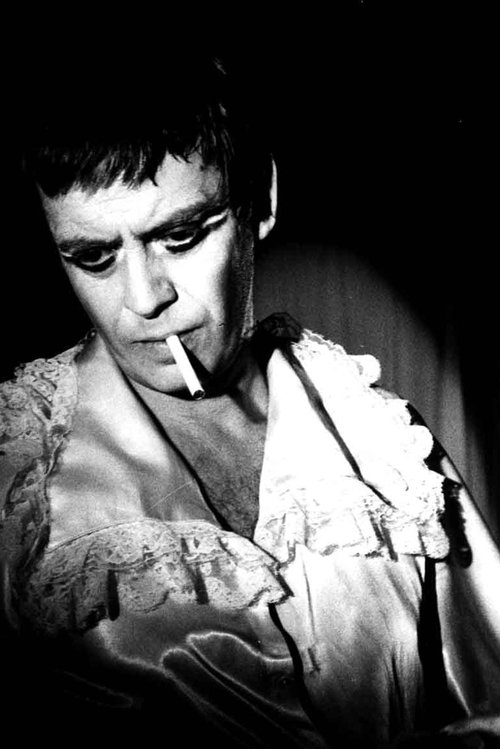
Known For


Acting History
2024
La parte maledetta. Viaggio ai confini del teatro - Carmelo Bene as Himself (archive footage)
2024È severamente vietata la sosta in palcoscenico ai non autorizzati. Un documentario di meno su Carmelo Bene as Himself (archive footage)
2022BENE! Vita di Carmelo, la macchina attoriale
2017Tracce di Bene as Self
2003Lorenzaccio, al di là di de Musset e Benedetto Varchi
2003Necro not(to b)e as Sé stesso
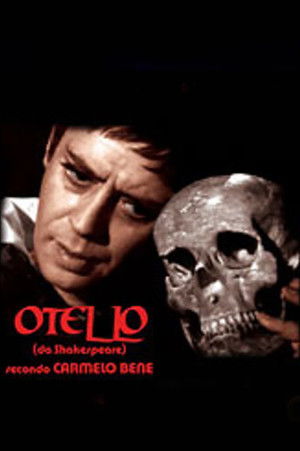
2002Otello o la deficienza della donna
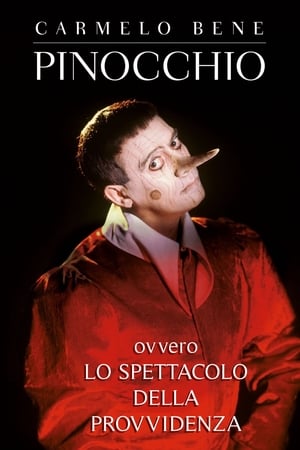
1999Pinocchio, ovvero lo spettacolo della Provvidenza as Pinocchio / Geppetto / Mastro Ciliegia / Grillo Parlante / Mangiafuoco / Volpe / Lucignolo
1998Voce dei Canti
1997Macbeth Horror Suite
1997In-vulnerabilità d'Achille (tra Sciro e Ilio)
1996Canti Orfici as Himself
1996Ai Rotoli as Self
1994Carmelo Bene: Uno contro tutti
1990Cos'è il teatro?! as Himself
1990Hommelette for Hamlet, operetta inqualificabile (da J. Laforgue) as Amleto
1985L'Adelchi di Alessandro Manzoni in forma di concerto
1984Le tecniche dell'assenza as Self
1983Manfred, versione per concerto in forma di oratorio
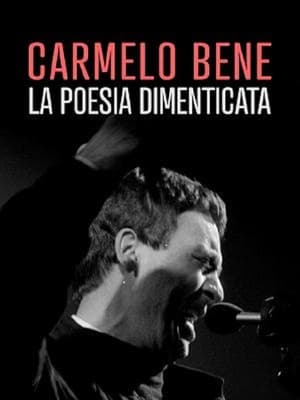
1982La poesia dimenticata
1981Riccardo III as Riccardo III
1980Modi di vivere - Giorgio Colli. Una conoscenza per cambiare la vita
1978Amleto di Carmelo Bene (da Shakespeare a Laforgue) as Amleto
1977Bene! Quattro diversi modi di morire in versi: Majakovskij-Blok-Esènin-Pasternak
1975Claro
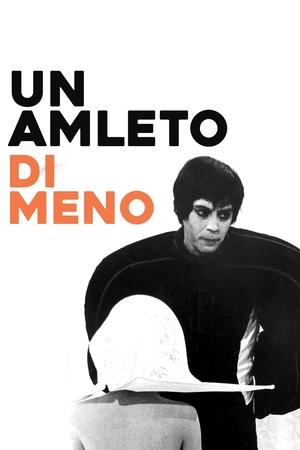
1973One Hamlet Less as Hamlet
1973Ventriloquio as Jean des Esseintes
1972Salomé as Erode Antipa / Onorio
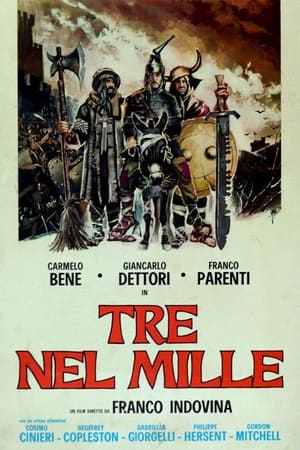
1971Tre nel mille as Pannocchia
1970Necropolis as Man with leather jacket
1970Don Giovanni as Don Giovanni
1970Red Hot Shot as Billy Desco
1969Capricci as Poet
1969Umano non umano as Self
1968Our Lady of the Turks as The Protagonist
1968Hermitage as The Man
1967Catch As Catch Can as Prete
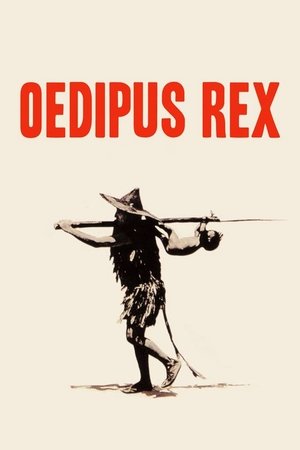
1967Oedipus Rex as Creon
1967Carmelo Bene, il canto d'amore di Alfred J. Prufrock
1966Bis
1965Un'ora prima di Amleto, più Pinocchio as Himself